Voices Shaping European Visual Art
Understanding contemporary European art starts with the artists. They test new materials, ask challenging questions, and reflect our rapidly changing world.
How European Artists Choose Their Mediums
A medium is simply the material or format an artist uses to create work. In traditional centuries, painters used oil paint on canvas and sculptors carved marble. Today, European artists mix classic tools with modern technology.
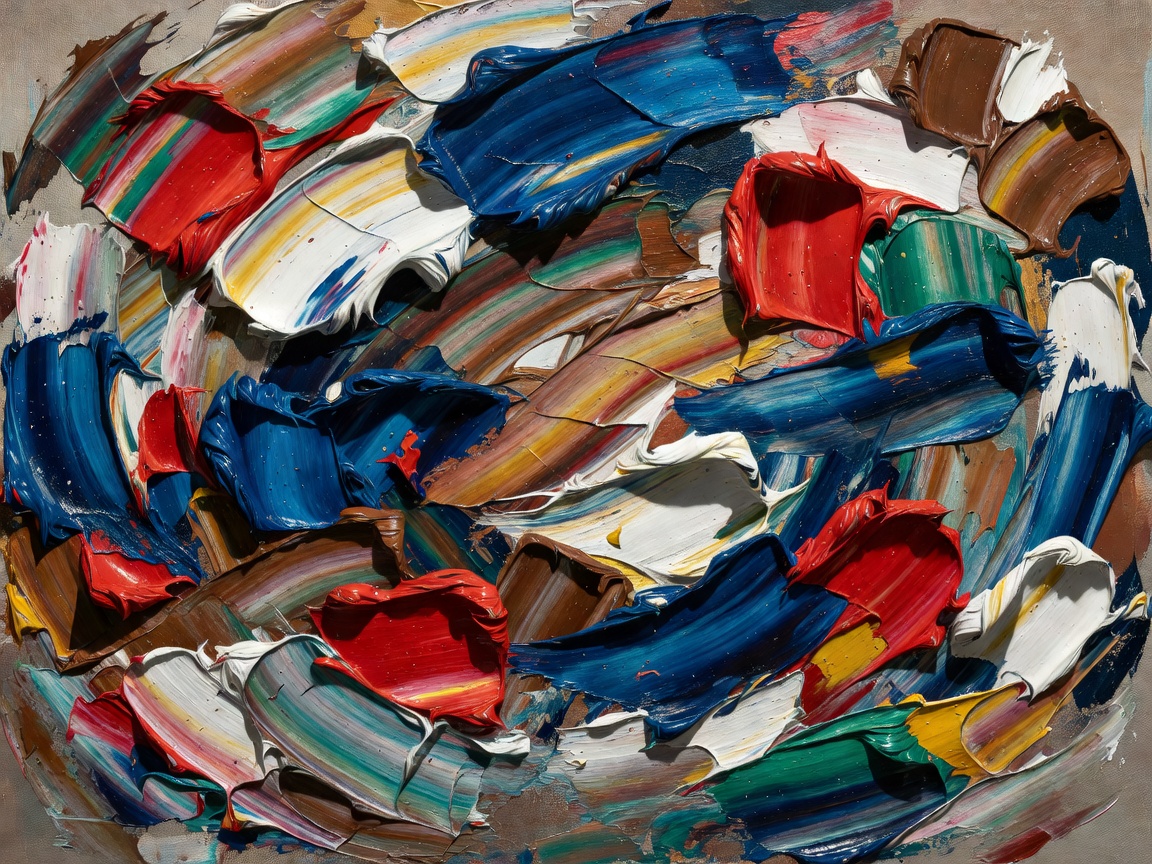
Painting remains vital. German painter Gerhard Richter famously demonstrated that painting can combine photorealism with thick, scraped abstract surfaces. Cecily Brown uses gestural brushwork to explore human movement, memory, and sexuality.
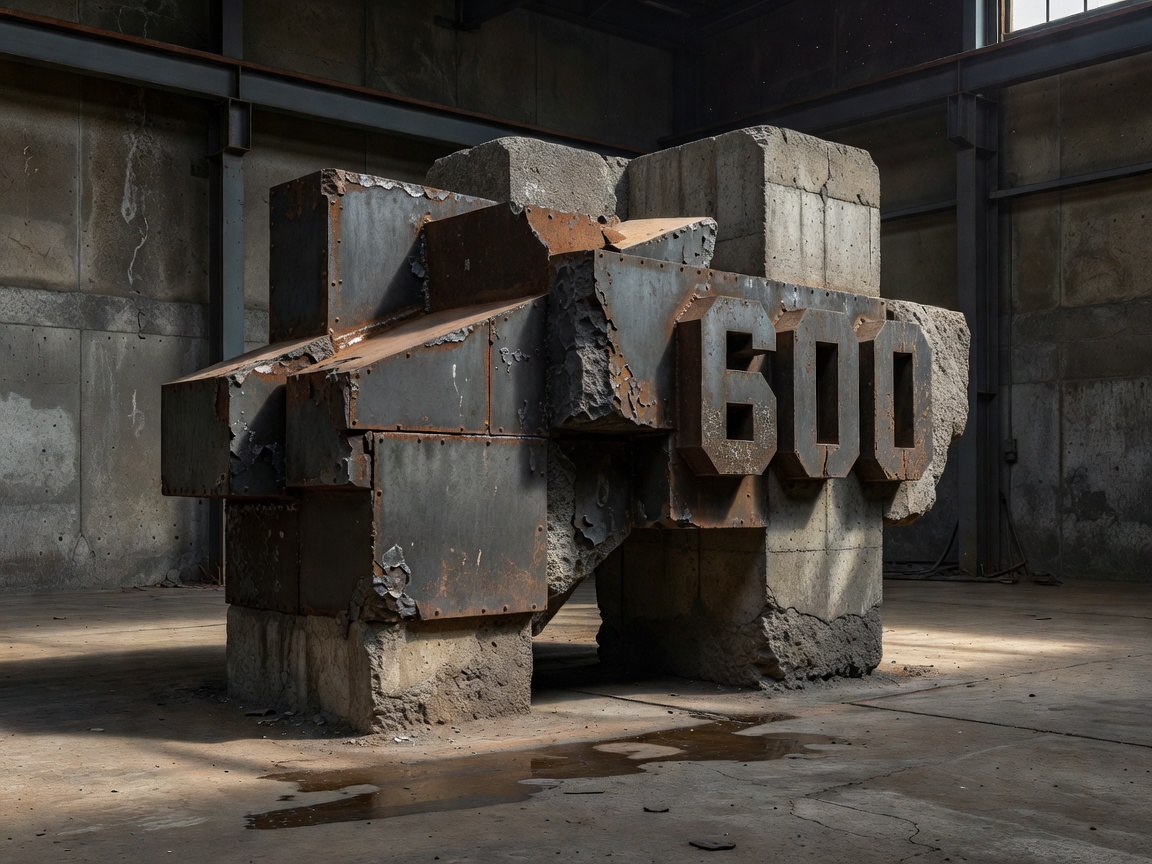
Sculpture has expanded far beyond bronze statues. Anselm Kiefer uses lead, straw, ash, and concrete to confront European historical trauma. Antony Gormley casts iron forms based on the human body to investigate how humans occupy physical space.
Photography, performance, and video are equally prominent. German photographer Wolfgang Tillmans documents everyday youth culture, astronomy, and political protests. Marina Abramović uses her own body in live endurance performances to test the mental limits of both artist and spectator.
Major Themes in European Contemporary Practice
European contemporary artists rarely focus solely on decorative beauty. Instead, their artworks function as philosophical inquiries. Here are the core themes you will see when visiting exhibitions across the continent:
1. Identity and Autobiography
Artists like Tracey Emin and the late Louise Bourgeois turn personal memories, intimate journals, and emotional vulnerability into powerful installations and textile sculptures.
2. Politics and Free Expression
Global figures like Ai Weiwei, who has maintained European studios, use ceramic crafts and historical artifacts to critique state power, censorship, and human displacement.
3. Climate and Ecology
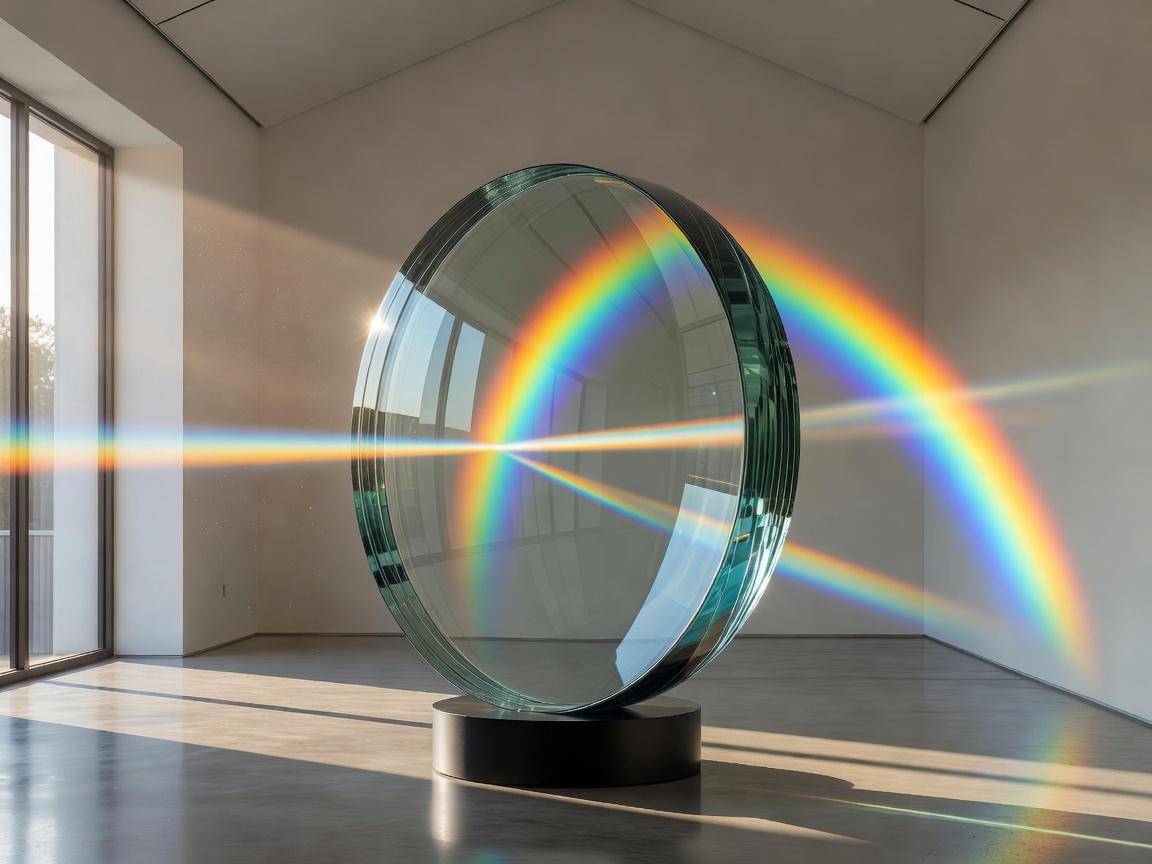
Danish-Icelandic artist Olafur Eliasson uses melting glacial ice, natural fog, and solar lamps to help viewers experience environmental changes with their physical senses.
Comparative Medium Overview
Use this reference table to understand how different artistic disciplines operate in European museums today.
Note: This table presents educational classifications. Many contemporary artists work fluidly across multiple disciplines without restricting themselves to a single category.