Experiencing Installation Art
Unlike a painting on a wall or a statue on a plinth, an installation transforms an entire architectural space into an artwork you walk through and physically experience.
Why Installation Art is Different
Traditional visual art asks you to look at an object in front of you. You stand on the gallery floor and view a canvas or a carved stone figure.
Installation art changes this dynamic completely. The artist treats the entire room—its walls, floor, ceiling, acoustics, temperature, and lighting—as their canvas.
When you enter an installation, you are surrounded on all sides. You may step onto mirrored floors, walk through artificial fog, listen to directional sound speakers, or navigate corridors constructed from industrial steel.
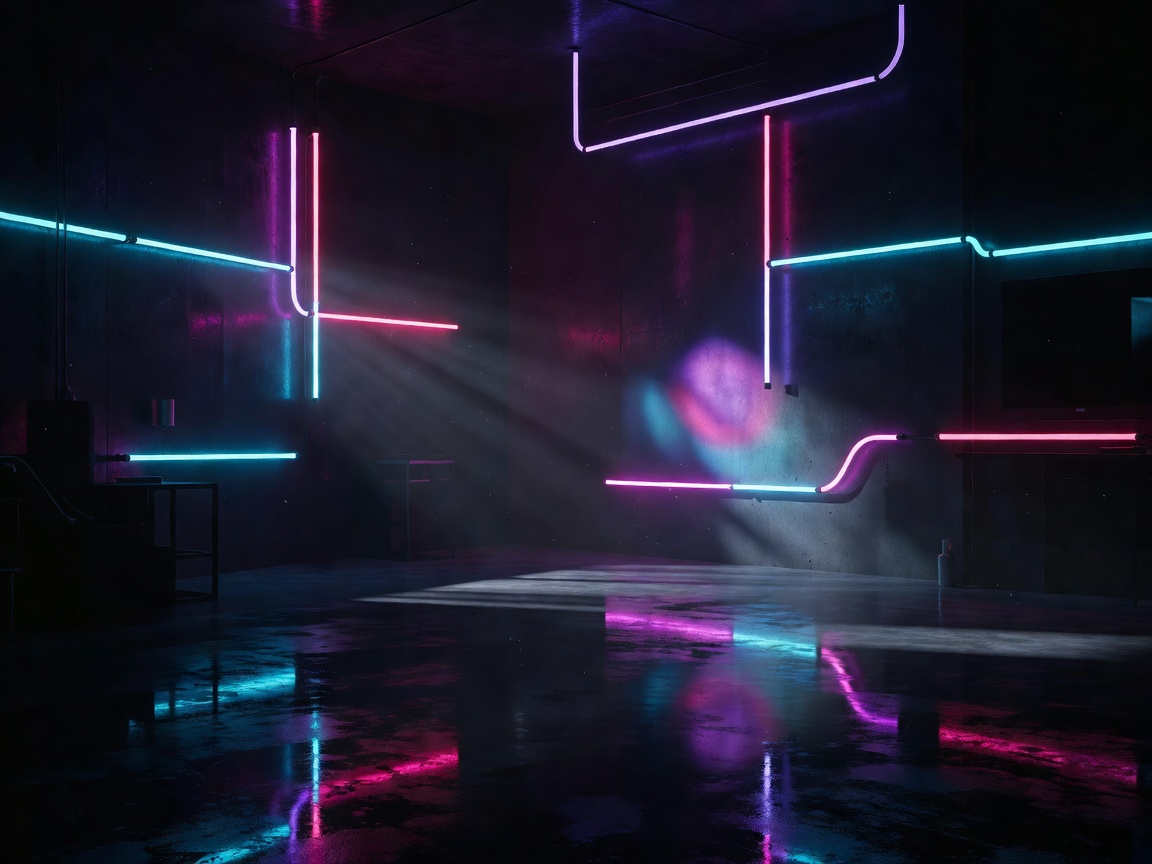
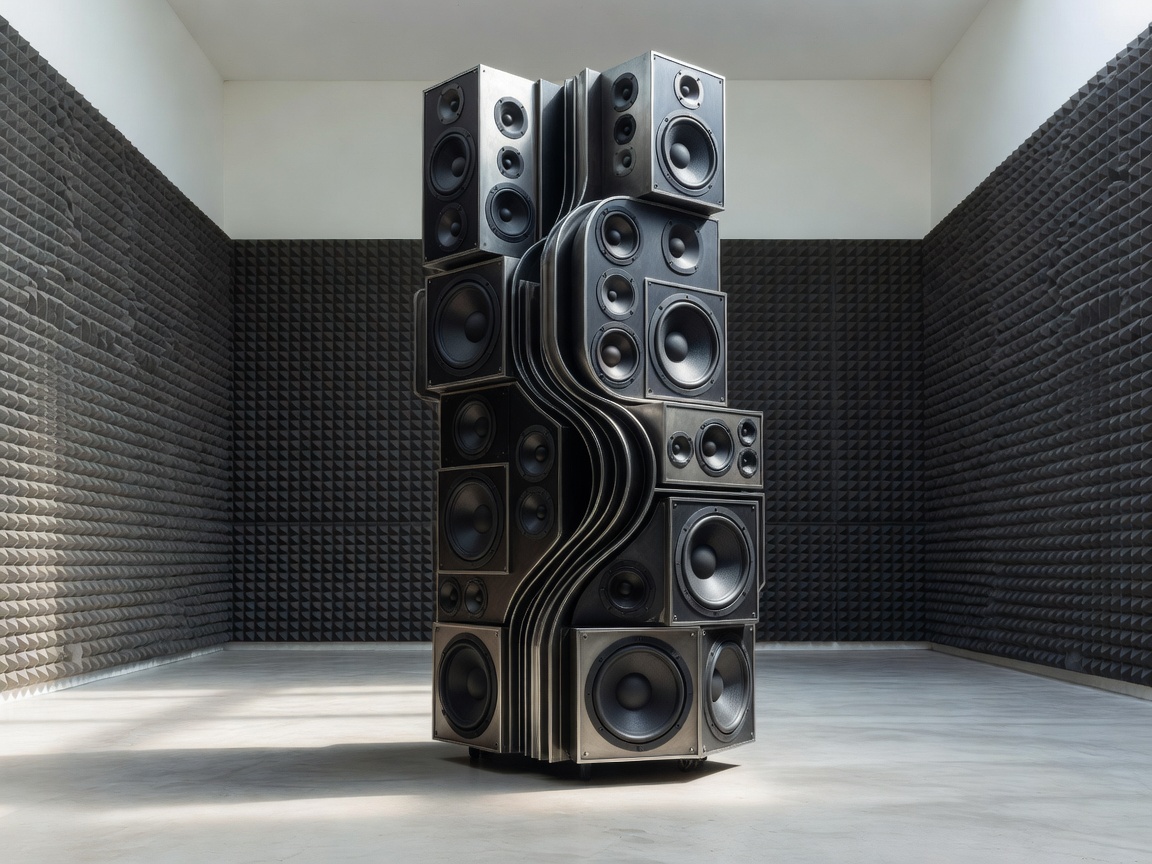
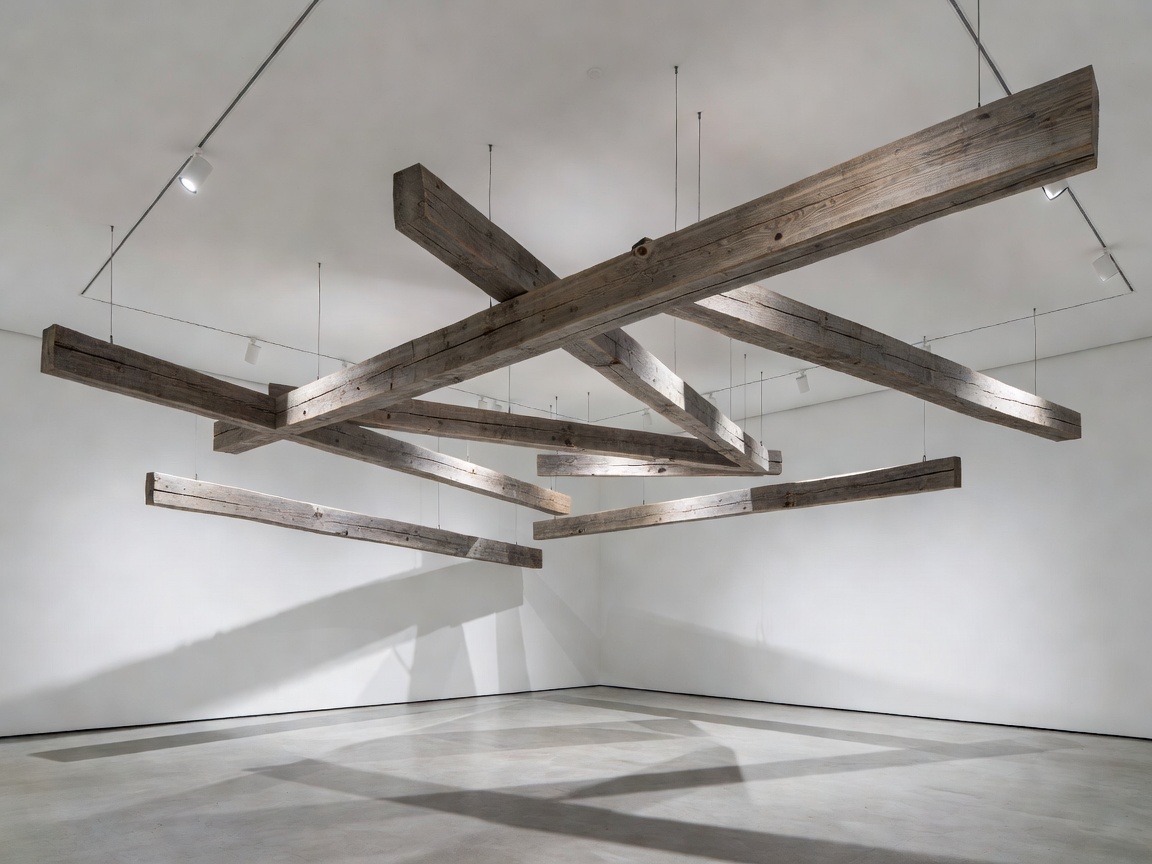
Core Concepts in Spatial Practice
To fully appreciate installation art across European institutions, keep these fundamental concepts in mind:
1. Site-Specificity
Site-specific means the artwork is created to respond directly to the unique history, dimensions, or architecture of a specific room. Moving it to another venue would strip away its core meaning.
2. Immersive Experience
Immersive works envelop all your senses. You do not just use your eyes; you feel temperature shifts, hear subtle vibrations, smell beeswax or damp earth, and navigate unfamiliar pathways.
3. Ephemerality & Duration
Many installations are temporary (ephemeral). When the exhibition closes, the installation is dismantled, recycled, or returned to basic components, existing afterwards only as photographs and memories.
Comparing Traditional Display vs. Installation Art
A quick comparative framework highlighting the evolution from single objects to room-scale environments.