The European Contemporary Gallery Circuit
Galleries are the engine room of modern art. They discover new talent, support emerging artists, and stage fresh exhibitions every four to six weeks.
Understanding Different Gallery Models
Not all art spaces operate the same way. When exploring European cities, you will find three distinct types of gallery environments:
Commercial Galleries
These businesses represent specific living artists. They fund new artwork production, promote artists to public museums, and sell work to private collectors and foundations.
Nonprofit & Project Spaces
Nonprofit spaces operate with government cultural grants or charity donations. Because they do not need to make commercial sales, they frequently show highly experimental, daring work.
Artist-Run Spaces
Cooperative studios and exhibition rooms managed directly by recent art academy graduates. They offer raw glimpses into emerging trends before commercial galleries take notice.
Key European Contemporary Art Capitals
Europe has an unusually dense concentration of artistic capitals, each offering a distinct cultural atmosphere:
London: The Mayfair and Fitzrovia districts host global flagship galleries, while East London (Hackney, Bethnal Green) remains a center for independent and emerging project spaces.
Brussels: Known as a favourite haven for collectors, Brussels boasts energetic gallery districts in Ixelles and Saint-Gilles with strong conceptual traditions.
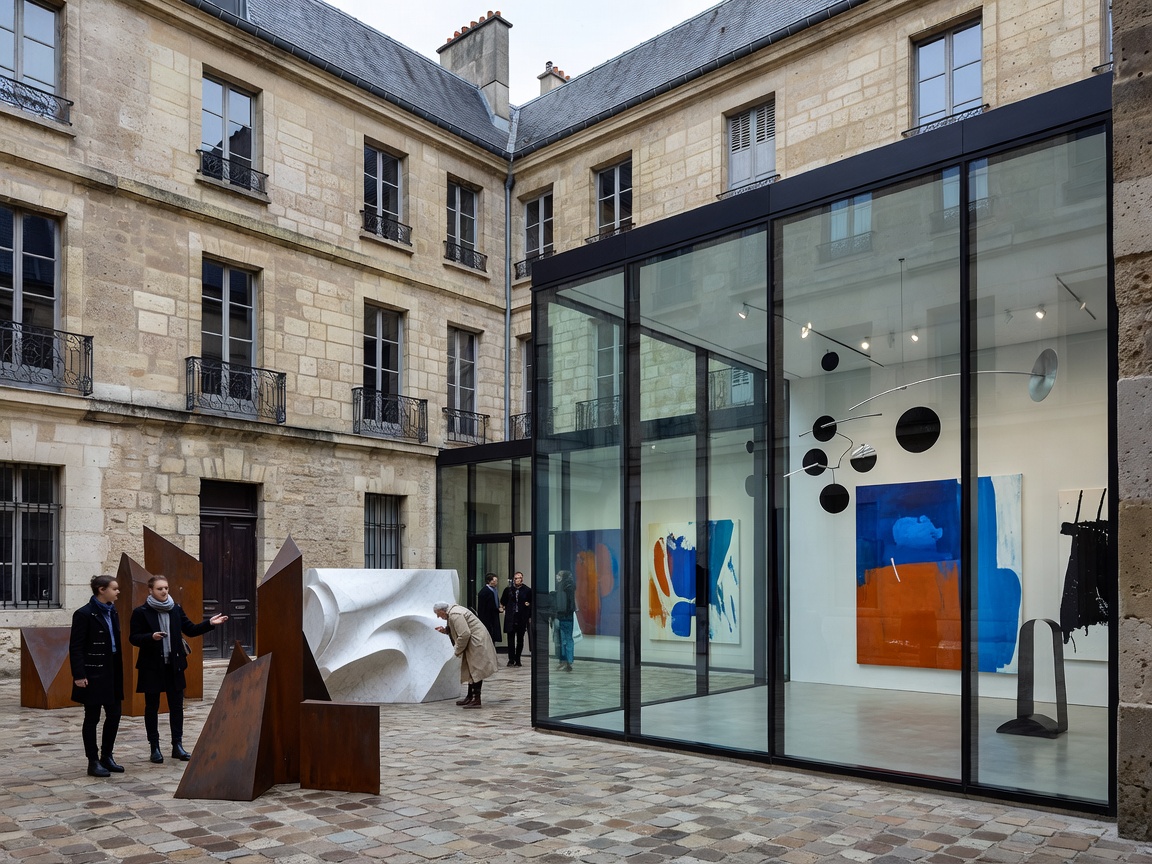
Milan & Rome: Italian galleries combine contemporary radical design, Arte Povera heritage, and post-digital sculpture inside classical courtyards.
Zurich & Basel: Switzerland offers pristine exhibition infrastructure, private foundations, and deep connections to the international art market.
Amsterdam, Lisbon, Vienna, and Copenhagen: Vibrant mid-sized capitals with strong public funding, independent artist residencies, and walkable gallery quarters.
Beginner’s Guide to Gallery Etiquette
Visiting a commercial gallery is simple, relaxing, and free. Here are practical tips for your first gallery walk: